

Best Practices for Turf Care: Comprehensive Guide to Lawn Fertilization, Aeration, Weed Control, and Seasonal Maintenance
A vibrant, healthy lawn depends on proven turf-care practices. This guide explains core tasks—fertilization, aeration, weed control and seasonal maintenance—and how they improve turf health. Many homeowners lack practical guidance; applying these practices will strengthen turf resilience and enhance appearance. The recommendations that follow address aeration techniques, fertiliser schedules, weed-control strategies and season-specific maintenance suited to Sioux Falls, South Dakota.
What Are the Essential Steps for Effective Turf Aeration in Sioux Falls?
Aeration perforates the soil so air, water and nutrients reach grass roots. Done correctly, it improves soil structure and supports stronger growth. Effective aeration requires proper timing and equipment, and should be scheduled when soil moisture and grass recovery are favourable.
When and How Should You Aerate Your Lawn for Optimal Soil Health?
In Sioux Falls, aerate during the active growing season — late spring to early summer or early fall — based on grass type. Cool-season grasses respond best to fall aeration; warm-season grasses benefit from spring. Use a core aerator to remove soil plugs and thatch so roots receive water and nutrients and can develop more deeply.
How Does Aeration Improve Nutrient Uptake and Root Development?
By creating channels in the soil, aeration improves movement of air, water and fertilisers into the root zone. This supports deeper root growth and better nutrient uptake, producing turf that is more resilient to drought and disease.
How Should Lawn Fertilization Schedules Be Planned Throughout the Year?
A clear fertilisation plan is essential for a healthy lawn. In Sioux Falls, adjust timing and product choice to seasonal conditions and the specific grass species on your site. Tailoring applications to those needs improves growth while limiting unnecessary nutrient loss.
What Fertilizer Types and Application Rates Suit Sioux Falls Lawns?
Common cool-season grasses in Sioux Falls, such as Kentucky bluegrass and tall fescue, perform well with a balanced N‑P‑K formulation. A slow-release fertiliser with an N‑P‑K like 30‑3‑10 applied to deliver about 1 pound of nitrogen per 1,000 sq ft every 6–8 weeks during the growing season is a typical recommendation.
| Fertilizer Type | N-P-K Ratio | Application Time | Rate (per 1,000 sq ft) |
|---|---|---|---|
| Slow-release | 30-3-10 | Spring/Fall | 1 lb nitrogen |
| Organic Fertilizer | Varies | As needed | As per product recommendation |
| Liquid Fertilizer | Varies | Mid-season | 0.5-1 lb nitrogen |
Following these guidelines supports turf vigour while reducing excess nutrient runoff and its environmental impacts.
Which Seasonal Fertilization Timings Maximize Lawn Growth and Resilience?
Apply fertiliser in early spring to resume growth after winter dormancy and again in fall to strengthen roots for winter. Skipping these key timings can weaken turf and reduce resilience. Choose products and timings that match your grass type and local climate.
If you need a site-specific plan, consult local professionals to determine the best fertilisation approach for your lawn and soil conditions.
What Are Effective Strategies for Weed Control in Residential Lawns?
Weed control preserves turf quality by reducing competition for water and nutrients. A combination of prevention and targeted removal keeps lawns dense and healthy.
Which Weed Control Methods Balance Efficiency and Environmental Safety?
Integrated weed management (IWM) uses cultural, mechanical and selective chemical methods together. Maintain dense turf to shade out seedlings, use mechanical removal where practical, and apply organic or selective herbicides when necessary to minimise environmental impact.
Research indicates that integrated weed management is crucial for minimizing environmental impact while still effectively controlling weeds.
Integrated Weed Management for Urban Amenity Areas
ABSTRACT: Amenity weed control requires balancing acceptable plant growth thresholds with reduced use of synthetic herbicides. This study evaluated the environmental impact of three approaches: (1) herbicide only (glyphosate), (2) integrated weed management (IWM) combining mechanical or thermal methods with a maximum of 50% total glyphosate active ingredient, and (3) zero herbicide (mechanical/thermal methods only). The results show that integrated weed management can lower environmental impact while maintaining effective weed control. J Tzilivakis, 2026
How Can Seasonal Weed Prevention Reduce Lawn Invasions?
Use pre‑emergent herbicides in early spring to reduce annual weed pressures and maintain proper mowing height to increase turf density. Consistent cultural practices make the lawn less hospitable to invading weeds.
Specialized Property Care, LLC provides professional weed-management services for homeowners who prefer a managed, evidence-based approach to weed elimination.
What Sustainable and Organic Lawn Care Practices Are Recommended for Midwestern Climates?
Sustainable practices support turf health and local ecosystems. In the Midwest, organic care that limits synthetic inputs and uses natural amendments can be effective when matched to site conditions.
Understanding the ecological impact of various lawn management programs is essential for promoting sustainable practices.
Ecological Impact of Urban Lawn Management Programs
Turfgrass lawns are commonly managed with repeated applications of chemical fertilisers and pesticides, which can be costly and affect ecological processes. This study compared three management programs—professional, do‑it‑yourself (DIY), and no‑input—across 28 home lawns and measured lawn quality, weed and insect pressure, disease incidence, soil nematode communities, soil nitrogen pools, microbial biomass and soil organic matter to assess ecological outcomes. Ecology of urban lawns under three common management programs, 2008
How Do Organic Treatments Support Healthy, Pest-Resistant Lawns?
Organic amendments such as compost and natural fertilisers improve soil structure and stimulate microbial activity. Healthier soil increases nutrient availability and supports turf that is more resistant to pests.
What Water Conservation Techniques Enhance Lawn Sustainability?
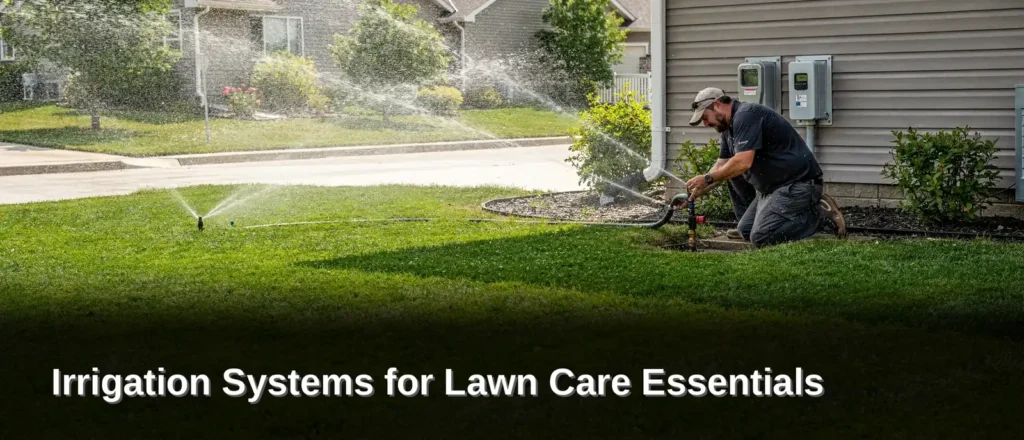
Rainwater harvesting and efficient irrigation strategies reduce water use while encouraging deeper root systems. Water deeply but infrequently and allow the soil to dry slightly between cycles to promote drought resilience.
How Should Seasonal Turf Maintenance Be Adapted for Year-Round Lawn Health?
Adjust maintenance tasks to each season so the lawn can recover, grow and prepare for stress periods. Consistent, season‑appropriate care maintains turf strength year round.
What Are Key Spring and Fall Maintenance Practices for Sioux Falls Lawns?
In spring, assess winter damage, aerate compacted areas and apply the first fertiliser application. In fall, focus on root development with a final fertiliser application and remove excess thatch through raking or aeration.
How Can Winter Lawn Care and Equipment Storage Preserve Turf Quality?
Before winter, check soil moisture and overall turf health. Store equipment properly by cleaning debris and sharpening mower blades so tools are serviceable for the next season.
Frequently Asked Questions
1. What is the importance of soil testing for lawn care?
Soil testing identifies pH and nutrient levels so you can match amendments to actual needs. In Sioux Falls, soil can vary; test results guide targeted corrections and reduce wasted inputs while improving grass health.
2. How can I improve the density of my lawn?
Improve density by mowing at the recommended height, aerating regularly and applying appropriate fertiliser. Overseeding fills thin areas with new plants and helps the turf outcompete weeds.
3. What are the benefits of using organic fertilizers over synthetic ones?
Organic fertilisers improve soil structure and boost beneficial microbial activity, which enhances long‑term nutrient availability. They reduce the risk of chemical runoff and support sustainable turf health, though they often release nutrients more slowly than synthetic options.
4. How frequently should I water my lawn during the summer?
Water deeply but infrequently—about 1 to 1.5 inches per week—to encourage deep roots and drought tolerance. Water in the early morning to reduce evaporation and disease risk, and adjust based on rainfall and soil moisture.
5. What signs indicate a lawn is unhealthy and needs attention?
Watch for discoloration, bare or thinning patches, excessive moss or increased weed pressure. These signs can indicate poor soil, improper watering or nutrient deficiencies; address them with aeration, fertilisation or targeted pest management.
6. How can I effectively manage pests in my lawn organically?
Use biological controls like beneficial nematodes, insecticidal soaps and diatomaceous earth, and improve soil health with organic amendments. Regular monitoring and encouraging natural predators reduce reliance on synthetic pesticides.
7. What role does thatch play in lawn health, and how can I manage it?
Thatch is the layer of organic material between soil and grass blades. Small amounts are normal, but excess thatch blocks water and nutrients. Manage it with regular aeration, dethatching when needed, and correct fertilisation practices.
Conclusion
Consistent application of these turf‑care practices leads to a healthier, more resilient lawn. Proper aeration, fertilisation and weed control reduce stress and improve appearance. For tailored guidance, consult local lawn‑care professionals who understand regional conditions, and begin applying these practices to enhance your property’s curb appeal and long‑term turf health.