
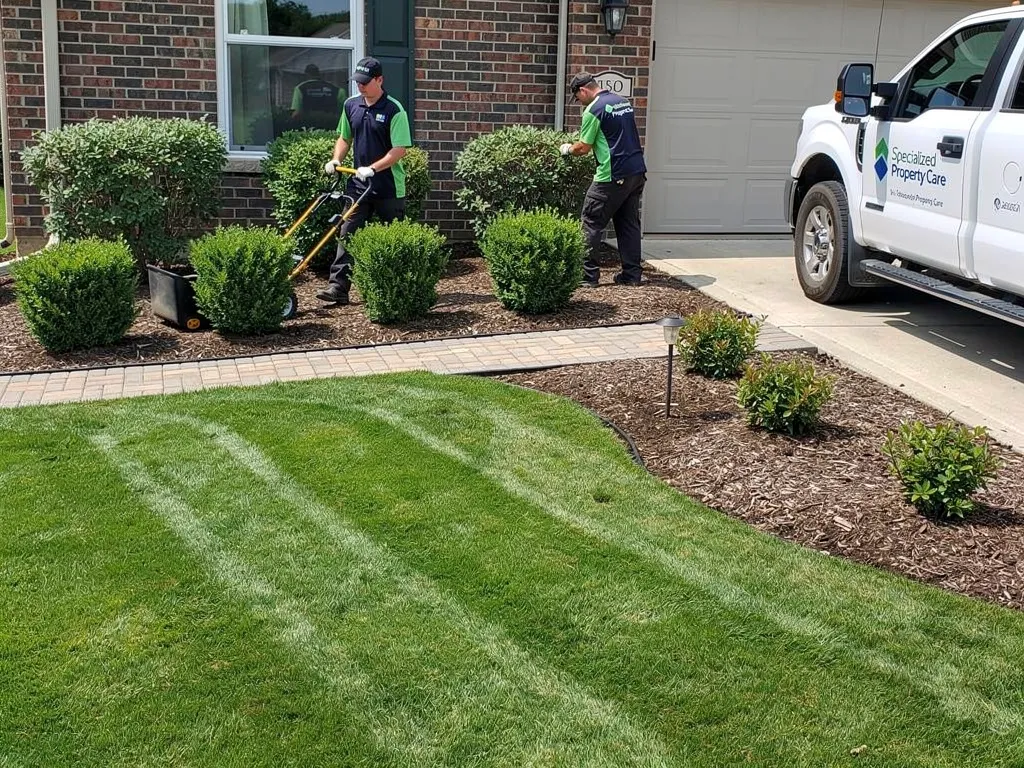
Maximize Property Value With Specialized Maintenance: Comprehensive Strategies for Homeowners and Property Owners
Specialized maintenance refers to a coordinated set of exterior property services—landscaping, lawn and turf care, pest management, irrigation servicing, seasonal cleanups, snow removal, and lighting—that preserve and enhance a property’s market appeal and functional performance. This guide shows how targeted, professional upkeep translates to measurable property value enhancement and long-term ROI by improving curb appeal, preventing costly damage, and extending asset life. You will learn which services deliver the biggest curb appeal boost, how preventive maintenance protects capital investment, the seasonal advantages of year-round care, and practical steps to begin a maintenance program. For readers near Sioux Falls, SD, this article also explains how local climate and pest patterns shape service timing and outcomes, and it offers a clear path to request a free consultation or quote with Specialized Property Care. The following sections cover value and ROI, high-impact landscaping services with a comparison table, preventive maintenance with cost-avoidance reasoning, year-round service benefits, why Specialized Property Care is a fit for local property owners, and how to request a consultation.
How Does Specialized Maintenance Enhance Property Value and ROI?
Specialized maintenance enhances property value by combining visual improvements with structural preservation: curb appeal attracts buyers and tenants while preventive care avoids deterioration that reduces appraisal value. The mechanism works through two linked effects—first impressions that increase perceived market value, and reduced deferred maintenance that preserves replacement cost—so owners realize both faster sales and lower lifecycle costs. Current research and market practice emphasize landscaping ROI and preventive maintenance as repeatable drivers of value, especially when services are bundled for continuity and seasonal timing. Understanding these mechanisms clarifies which investments yield the strongest returns and which are primarily protective rather than immediately cosmetic. The next section defines property value in practical terms and shows why maintenance matters for both resale and rental outcomes.
This section highlights three primary channels for ROI from specialized maintenance:
- Curb appeal increases buyer interest and accelerates time on market.
- Preventive upkeep reduces major repair risk and preserves structural integrity.
- Efficiency and safety services (irrigation, lighting, snow removal) lower operating and liability costs.
These channels work together: visual upgrades create immediate appeal while preventive services compound savings over time, ultimately boosting net ROI and marketability.
What Is Property Value and Why Does Maintenance Matter?
Property value encompasses market price, appraisal-based replacement value, and rental income potential, and each of these dimensions responds to visible condition and functional reliability. Maintenance matters because appraisers and buyers assess both aesthetics—landscaping, lawn health, lighting—and hidden risk factors such as pest damage, failing irrigation, or deferred winterization. For resale, a well-maintained exterior shortens marketing time and supports higher offers; for rentals, it reduces vacancy and tenant complaints. Two examples illustrate the point: a home with consistent lawn and tree care commands higher curb appeal at listing, while a multi-unit property with reliable snow removal keeps tenants safe and reduces liability claims. Recognizing these use-cases makes it easier to prioritize services that maximize value for the intended disposition—sell, rent, or hold.
How Does Professional Landscaping Increase Home Value?
Professional landscaping increases home value by turning outdoor space into an intentional asset: design, hardscaping, and planted beds create usable outdoor living areas while healthy turf and well-placed trees frame the property for favorable first impressions. The mechanism is both aesthetic and functional—well-designed landscapes expand perceived square footage of living space and provide privacy, shade, and stormwater management benefits that buyers value. Sustainable choices, like native plantings and efficient irrigation, add market differentiation in areas where water conservation matters and signal long-term care. For sellers and property managers, investing in focused landscaping projects yields a combination of immediate curb appeal gains and ongoing maintenance economies that make the property more competitive in local markets.
Which Landscaping Services Boost Curb Appeal and Marketability?
Effective landscaping services are those that create immediate visual impact, require sustainable upkeep, and address practical buyer concerns like access and maintenance burden. High-impact services include lawn and turf care, tree and shrub care, planting bed refreshes, hardscaping for functional outdoor spaces, and lighting that extends usable hours and security. These services work together to produce a stronger listing photo, better showing impressions, and a perception of lower future maintenance for buyers or tenants. To compare common options at a glance, the table below summarizes typical attributes and primary benefits without implying exact prices; use it to match investment scale to expected market impact.
The following comparison helps property owners prioritize improvements based on timeline and effect.
| Service | Typical Cost Range | Expected ROI (relative) | Typical Timeline |
|---|---|---|---|
| Lawn care (fertilization, mowing, weed control, robotic mowing) | Low–Moderate | Moderate | Ongoing seasonal program |
| Tree care (pruning, removal, structural work) | Moderate–High | Moderate–High | Project-based, seasonal |
| Hardscaping (patios, walkways, edging) | Moderate–High | High | Weeks to months |
| Planting beds and seasonal color | Low–Moderate | Moderate | Project or seasonal refresh |
| Lighting (holiday and permanent) | Moderate | Moderate–High | Installation to weeks |
How Does Lawn Care Improve Curb Appeal and Property Worth?
Lawn care improves curb appeal by maintaining a uniform, healthy turf that complements architectural features and visually communicates care and pride of ownership. Core services—fertilization, weed control, mowing, and newer options like robotic mowing—work together to keep turf dense, green, and pest-resistant, which reduces visible defects that deter buyers. Fertilization corrects nutrient deficiencies that lead to brown patches; weed control preserves uniformity; consistent mowing and trim/edging present crisp boundaries that photograph well for listings. As an example of frequency and impact, routine seasonal fertilization and mowing programs create a steady visual baseline so that one-time investments in plantings or hardscape are showcased effectively; consistent lawn health also reduces the need for larger corrective projects later.
Lawn care choices also affect operational costs and sustainability. Efficient fertilization and proper irrigation reduce water use and long-term maintenance spend, while robotic mowing can signal modern convenience and low perceived labor needs, which appeals to certain buyer segments. Understanding these options helps property owners align maintenance spending with the intended market message.
What Role Do Tree Care and Seasonal Cleanups Play in Value Enhancement?
Tree care and seasonal cleanups maintain safety, aesthetics, and the long-term health of landscape assets, preventing damage that can otherwise depress property value through costly repairs. Pruning and structural trimming reduce the risk of branch failure and roof or siding damage, while removals address hazardous specimens that threaten foundations or utilities. Seasonal cleanups—spring and fall—remove debris, restore planting beds, and prepare turf and plants for stress periods, preserving continuous curb appeal and minimizing disease vectors. Preventing root encroachment into hardscapes and resolving storm-damaged trees early reduces replacement costs and keeps the landscape functional and attractive.
Seasonal scheduling is critical: timely cleanups before freeze-thaw cycles and proactive pruning before storm seasons lower risk exposure. By prioritizing these tasks, owners protect both cosmetic value and the underlying structural condition of the property, which in turn supports stronger appraisals and buyer confidence.
How Does Preventive Maintenance Protect Your Investment?
Preventive maintenance protects property investment by addressing small issues before they escalate into expensive repairs, thereby stabilizing operational costs and preserving market value. This category includes pest and insect control, irrigation system maintenance (repair, winterization, startup), and seasonal inspections that monitor asset health. The mechanism is straightforward: scheduled interventions reduce the probability of catastrophic failure (root loss, water damage, pest infestation) and the cumulative cost of deferred maintenance, while supporting continuous curb appeal and tenant satisfaction. Below is a concise EAV table summarizing common preventive services, what they prevent, and recommended frequencies to justify ongoing spend.
Preventive maintenance creates predictable budgets and fewer emergency repairs, and it often improves occupant safety and property readiness for sale or lease, which compounds value over time.
| Service | Prevents | Recommended Frequency |
|---|---|---|
| Pest control (mosquito, perimeter, vole) | Structural damage, health complaints, aesthetic deterioration | Quarterly or as-seasonal needs |
| Irrigation maintenance (repair, winterization, startup) | Plant loss, freeze damage, water waste | Biannual (spring startup, fall winterization) |
| Seasonal cleanups (spring, fall) | Debris accumulation, plant disease, drainage blockages | Twice annually |
| Routine inspections | Deferred maintenance escalation, safety hazards | Annual or biannual |
What Are the Benefits of Pest Control for Property Safety?
Pest control delivers both direct and indirect property protection: it preserves structural components from rodent or burrowing damage, reduces nuisance pests like mosquitoes that affect occupant comfort, and lowers health risks that can deter renters or buyers. Targeted perimeter treatments and mosquito control establish immediate outdoor comfort while specialized measures—such as vole control—protect turf and planting roots from damage that can be costly to remediate. Regular monitoring and scheduled treatments prevent infestations from taking hold and reduce the likelihood of infestation-related emergency repairs.
A preventive pest program also supports tenant satisfaction and safety, reducing complaint rates and potentially lowering turnover for rental properties. Effective pest control is therefore both a protective expense and a contributor to sustained marketability; scheduling and customization to seasonal pest cycles are essential for consistent outcomes.
How Does Irrigation System Maintenance Support Landscape Health?
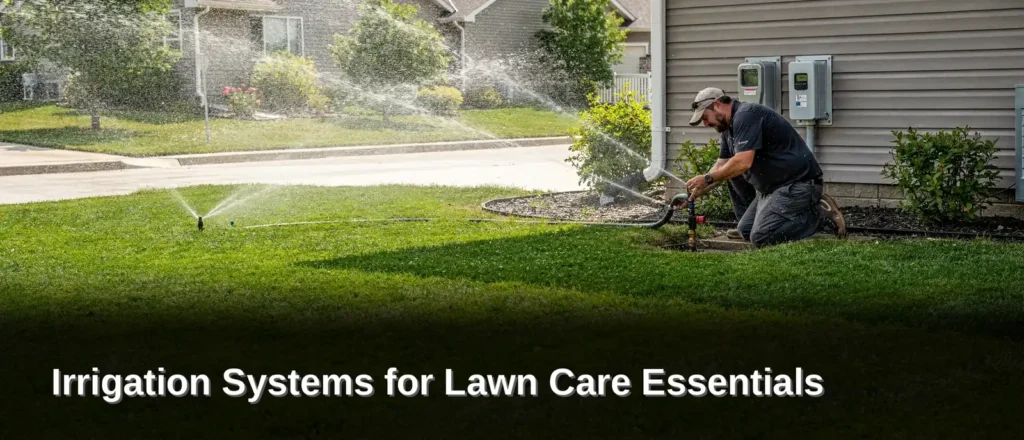
Irrigation maintenance supports landscape health by ensuring plants and turf receive correct, efficient watering while avoiding overwatering, which can cause root disease and waste resources. Regular repair of controllers, valves, and sprinkler heads preserves uniform coverage and prevents runoff that undermines plantings and hardscaping. Seasonal startup and winterization prevent freeze damage to pipes and heads, preventing costly component replacements and plant loss. Smart controller integration and periodic audits of system coverage improve water efficiency and can reduce utility costs while preserving landscape vigor.
Keeping irrigation systems tuned also supports sustainability goals and reduces the need for corrective replanting, which preserves both aesthetic value and long-term maintenance budgets. Proper cadence—spring startup, mid-season checks, and fall winterization—ensures systems protect the landscape year-round.
What Are the Advantages of Year-Round Specialized Property Care?
Year-round specialized property care sustains accessibility, safety, and visual appeal across seasons, converting episodic improvements into continuous value preservation. A holistic annual plan aligns lawn and turf care, pest management, irrigation servicing, seasonal cleanups, snow removal, and lighting so that assets remain market-ready, tenant-friendly, and safe. This continuous approach reduces emergency interventions, stabilizes annual maintenance budgets, and maintains listing readiness for sale or lease at short notice. The comparison table below outlines package components, seasonal relevance, and primary value delivered to help owners evaluate the benefits of year-round engagement.
Consistent care also builds a maintenance record that appraisers and buyers can reference, offering proof of steady upkeep that supports stronger valuations and smoother transactions.
| Package Component | Seasonal Relevance | Primary Value |
|---|---|---|
| Lawn & turf program | Spring–Fall | Continuous curb appeal |
| Irrigation startup/winterization | Spring & Fall | Plant health and freeze protection |
| Seasonal cleanups | Spring & Fall | Aesthetics and disease prevention |
| Snow removal | Winter | Accessibility and liability reduction |
| Holiday/permanent lighting | Winter & year-round | Safety, curb appeal, extended outdoor use |
How Does Snow Removal Maintain Accessibility and Property Value?
Snow removal preserves accessibility and reduces liability by keeping driveways, walkways, and entry points clear and safe, which is particularly important for residential properties with elderly occupants and commercial properties with customer foot traffic. Timely plowing and de-icing prevent slip-and-fall incidents and reduce freeze-thaw damage to pavement and jointed pavers that can lead to expensive repairs. For commercial properties, consistent snow service protects reputation and revenue by ensuring customers and employees can access the site reliably. Expectations for response timing and prioritized areas should be set in advance so that safety, not improvisation, governs winter operations.
A proactive snow plan also reduces long-term surface damage: controlled de-icing minimizes repeated freeze cycles and reduces the need for early resurfacing projects, thereby protecting property value through lower capital expenditures.
What Value Do Holiday and Permanent Lighting Add to Outdoor Spaces?
Holiday lighting and permanent exterior lighting add both aesthetic and functional value by extending usable outdoor hours, enhancing perceived security, and improving nighttime curb appeal for listings and showings. Permanent lighting systems increase safety by illuminating pathways and entrances, deter opportunistic crime through visibility, and create an inviting evening environment that can be marketed as usable outdoor living space. Holiday lighting provides seasonal curb appeal and can make listings feel more festive for showings during peak selling months. The contrast is clear: temporary holiday installations boost short-term appeal while permanent systems deliver continuous utility and a stronger signal of long-term care.
Well-designed lighting plans integrate with landscape architecture to highlight focal points and improve wayfinding, which contributes to better photographs and evening showings that can influence buyer perception.
Why Choose Specialized Property Care for Maximizing Property Value?
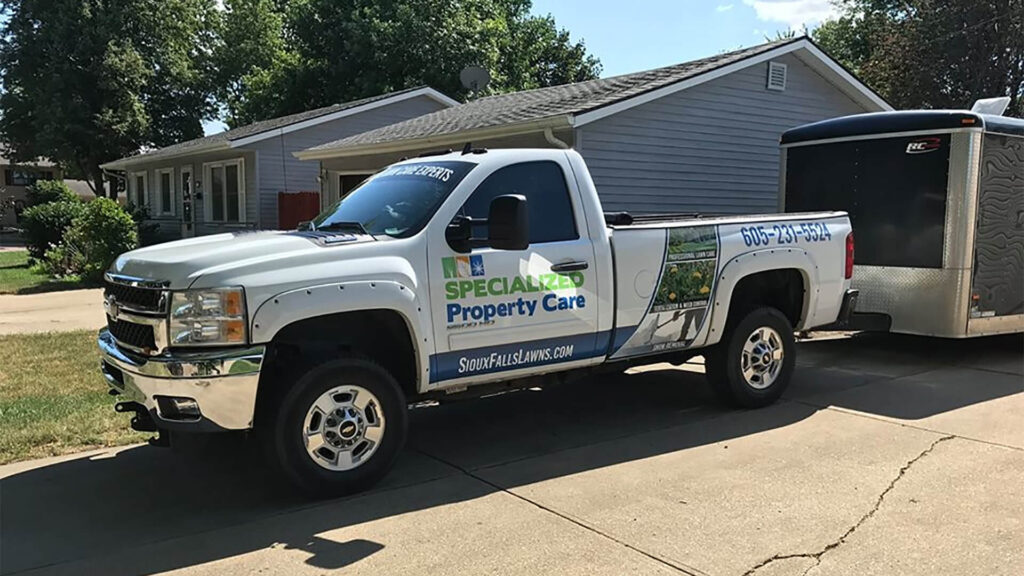
Choosing a specialized provider matters because consistent, integrated service reduces coordination gaps, preserves asset health, and communicates professional stewardship to buyers and tenants. Specialized Property Care offers a holistic suite of services—lawn and turf care, pest and insect control, irrigation services, seasonal cleanups, snow removal, and holiday and permanent lighting installations—designed to work together so that individual interventions compound rather than conflict. The company emphasizes reliability through automated service updates, proactive communication with real-time notifications and follow-ups, and accountability with a satisfaction guarantee. Local expertise in Sioux Falls climate and seasonal needs further tailors service timing and protective actions that directly support property value.
How Does Our Holistic Approach Ensure Reliable and Professional Service?
Specialized Property Care’s holistic approach aligns scheduling, quality control, and client communication to deliver consistent results: automated service updates maintain accountability, screened and licensed crews execute tasks professionally, and follow-up inspections confirm outcomes. Operational reliability comes from coordinated calendars that anticipate seasonal needs—irrigation winterization, spring cleanups, and snow removal windows—so reactive fixes are minimized. Quality assurance practices, including crew vetting and insured workmanship, reduce the risk of service errors that can damage landscapes or create liability. This system-level coordination protects investment value by preventing gaps in care and by ensuring that each service optimizes the effectiveness of others, such as pairing irrigation checks with lawn fertilization for maximum turf health.
These practices foster trust and make it easier for property owners to maintain continuous curb appeal without the administrative burden of coordinating multiple vendors.
What Do Case Studies and Testimonials Reveal About Our Impact?
Local case studies consistently show qualitative outcomes valuable to owners: faster listing visuals after landscape refreshes, reduced tenant complaints following regular pest control, and clearer winter operations with contracted snow removal. While specific client names and metrics are not reproduced here, these examples typically describe faster sale readiness, improved curb appeal in listing photography, and fewer seasonal emergencies. Testimonials often emphasize reliability—timely updates and follow-through—alongside professional crews that respect property and scheduling. Before-and-after galleries and project summaries reinforce how integrated programs convert one-time improvements into sustained asset performance.
These client experiences highlight how coordinated maintenance translates into practical benefits: improved marketability, lower emergency repair incidence, and a smoother ownership experience that supports long-term property value.
How Can You Get Started With Specialized Maintenance Services?
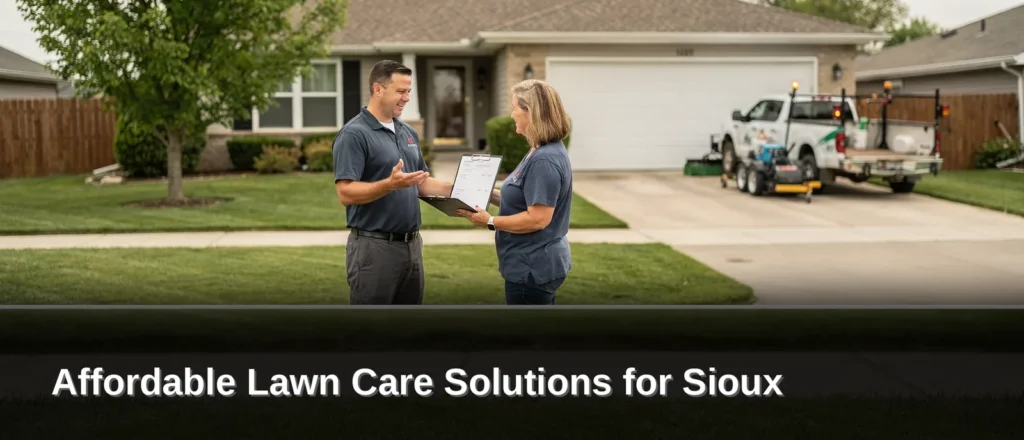
Getting started with specialized maintenance is a simple three-step process designed to minimize friction and set clear expectations: request a free consultation or quote, receive a tailored inspection and estimate, and schedule services with a defined timeline and communication plan. This process begins with a short intake to identify priority needs, followed by on-site or virtual inspection to assess condition and seasonality, then a recommended service plan that aligns with property goals—sale readiness, tenant retention, or long-term preservation. Expect proactive communication about scheduling, automated service notifications, and a satisfaction guarantee that holds providers accountable for outcomes. Below is a featured-snippet-style, step-by-step path that readers can follow to initiate service.
- Request a free consultation or quote by contacting the provider and sharing basic property details.
- Receive an on-site or virtual inspection and a written estimate outlining recommended services and timing.
- Approve the plan, schedule services, and receive automated updates with follow-ups and quality checks.
What Is the Process to Request a Free Consultation?
Requesting a free consultation starts with an initial contact describing the property type and primary goals—sell, rent, or preserve—and identifying urgent needs like winterization or pest concerns. The provider schedules an on-site inspection or virtual walkthrough, during which technicians document irrigation condition, turf health, pest pressure, and seasonal risks specific to the property. Following inspection, owners receive a written estimate that outlines recommended services, suggested frequencies, and a proposed timeline for implementation. Typical follow-up includes scheduling, automated service notifications, and a confirmation of quality checks to ensure the plan is executed as promised.
How Do Our Services Align With Local Sioux Falls Property Needs?
Services are tailored to Sioux Falls conditions by prioritizing winterization, proactive snow removal, seasonal pest cycles, and water-efficient irrigation strategies appropriate to local climate patterns. Winterization of irrigation systems and robust snow plans protect landscapes and hardscapes from freeze-thaw damage common in the region, while seasonal pest control addresses local vectors that can impact turf and tenant comfort. Native and drought-tolerant planting recommendations reduce irrigation needs and support sustainability goals that resonate with local buyers. Local expertise ensures timing and treatment choices match regional weather and pest timelines, reducing unnecessary service and focusing spend where it generates the most protective and marketable value.
Aligning services to Sioux Falls realities results in better protection of landscape assets, lower long-term maintenance costs, and improved curb appeal tuned to local buyer expectations.
Frequently Asked Questions
What factors determine the cost of professional property maintenance services?
Pricing for property maintenance is evaluated individually during every consultation rather than set as a flat rate. Three factors drive cost: property size and overall condition, the specific services requested, and seasonal demand. Specialized tasks such as aeration, pest management, or hardscaping typically cost more than basic mowing or seasonal color plantings. Services like lawn care and planting-bed refreshes generally fall in the low-to-moderate range, while hardscaping and tree work carry moderate-to-high investment but also deliver higher relative ROI. A tailored inspection and written estimate ensure homeowners and property owners pay only for what their property genuinely needs.
How often should irrigation systems be serviced throughout the year?
Irrigation systems perform best on a biannual service cycle: a spring startup to activate controllers, valves, and sprinkler heads after winter, and a fall winterization to drain lines and prevent freeze damage to pipes and heads. Between these two visits, periodic checks and repairs correct uneven coverage, leaks, or runoff that waste water and stress turf and plantings. This cadence, paired with smart controller audits, protects plant and lawn health while avoiding the costly root loss, water damage, and utility waste that result from neglected or improperly timed irrigation maintenance.
How frequently are seasonal cleanups needed to keep a property looking its best?
Seasonal cleanups are recommended twice a year, in spring and fall, to keep landscapes healthy and market-ready. Spring cleanups clear winter debris and prepare turf and planting beds for active growth, while fall cleanups remove leaves and organic matter that can smother turf or invite disease over winter. Performed on this twice-annual schedule, cleanups prevent drainage blockages, reduce plant disease risk, and preserve curb appeal between the more intensive lawn care, tree care, and irrigation services that run throughout the rest of the year.
How often should routine property inspections be scheduled?
Routine inspections are recommended on an annual or biannual basis, depending on a property’s size, condition, and how it is used. Regular inspections catch small issues—like early pest activity, irrigation leaks, or storm-damaged trees—before they escalate into deferred maintenance or safety hazards. This predictable inspection rhythm supports the same preventive approach that underlies pest control, irrigation servicing, and seasonal cleanups, helping property owners budget for repairs in advance rather than facing emergency costs, and keeping the property consistently ready for sale, lease, or continued use.
Can lawn care, pest control, and irrigation be combined into a single maintenance plan?
Yes. Specialized Property Care’s holistic approach coordinates lawn and turf care, pest and mosquito control, irrigation servicing, seasonal cleanups, snow removal, and lighting into one aligned schedule rather than separate, uncoordinated services. Coordinated calendars time each service to reinforce the others—for example, pairing irrigation checks with lawn fertilization for maximum turf health—so property owners avoid the administrative burden of managing multiple vendors. This bundled approach reduces coordination gaps, minimizes reactive fixes, and lets trained, uniformed crews deliver consistent results backed by automated updates and photo documentation.
Does investing in professional property maintenance actually increase resale value?
Yes. Professional maintenance increases resale value through two combined effects: strong curb appeal creates a favorable first impression that raises perceived market value and shortens time on market, while preventive care avoids the deterioration that lowers appraisal value and replacement cost. Together these effects mean well-maintained properties tend to sell faster and command stronger offers than comparable properties with visible deferred maintenance. For rental properties, the same upkeep reduces vacancy and tenant complaints, supporting steadier income alongside the higher resale value that consistent care helps protect.
How often should pest control treatments be applied to protect a property?
Pest control—including mosquito, perimeter, and vole treatments—is recommended on a quarterly basis or adjusted to seasonal pest pressure. Regular monitoring and scheduled treatments prevent infestations from taking hold, protecting structural components from rodent or burrowing damage and turf and roots from vole activity, while reducing mosquito populations that affect outdoor comfort. This preventive cadence also supports tenant satisfaction on rental properties by limiting health-related complaints, making consistent pest control both a protective measure for the property and a contributor to its ongoing marketability.
Conclusion
Maximizing property value comes down to pairing visible curb appeal—healthy lawns, well-maintained trees, clean hardscaping, and thoughtful lighting—with preventive care that protects irrigation systems, turf, and structures from costly deterioration. Specialized Property Care delivers this balance through a coordinated, year-round program spanning landscaping, pest and mosquito control, irrigation servicing, seasonal cleanups, snow removal, and holiday and permanent lighting, backed by trained, uniformed crews and automated photo-documented updates. For Sioux Falls property owners, this means service timing tuned to local climate and pest cycles, predictable budgets, and a maintenance record that supports stronger appraisals and smoother sales or leases. If you’re ready to protect and grow your property’s value, reach out to Specialized Property Care for a free consultation and a tailored maintenance plan.