
Eco-Friendly Landscaping Tips for Commercial Properties — Practical, Sustainable Solutions for Business Grounds
Eco-friendly commercial landscaping pairs day-to-day grounds care with smart strategies that cut water use, lower lifetime costs, and strengthen local ecosystems. This guide breaks down sustainable landscaping for businesses and shows how choices—from smart irrigation to native plant palettes—translate into operational savings and a stronger community reputation in places like Sioux Falls. Many property managers are juggling rising water bills, tight maintenance budgets, and growing expectations for visible sustainability; targeted landscape measures address those pressures while improving curb appeal and tenant satisfaction. Read on to understand why sustainable commercial landscaping matters, which practices to prioritize, how native plants suit local climates, core design principles, expected economic benefits and ROI timelines, and a clear, actionable roadmap to get started. We’ve included practical examples, comparison tables for water and cost impacts, and step-by-step directions for piloting and scaling eco-friendly grounds management.
Why Is Sustainable Commercial Landscaping Essential for Businesses?
Sustainable commercial landscaping means designing and caring for business grounds to lower environmental impact while improving practical and financial outcomes. It aligns plant selection, soil care, irrigation, and hardscaping with local climate and hydrology so you use less water and fewer chemicals while boosting landscape resilience. The payoff: lower operating costs, reduced runoff and regulatory risk, and a stronger brand impression for tenants and customers. Research also shows greener grounds support biodiversity and can measurably reduce stormwater runoff and urban heat. Knowing these benefits helps property managers prioritize investments that deliver clear environmental and business returns.
What Are the Environmental Benefits of Eco-Friendly Landscaping?
Eco-friendly landscaping limits runoff, conserves water, and creates habitat for pollinators and native wildlife by using permeable surfaces, rain-capture features, and native plantings. These tactics reduce nutrient and pesticide flow into nearby waterways and help protect downstream habitats. Soil-focused practices—mulching, compost applications, and reduced tillage—encourage carbon storage and beneficial microbial activity, which strengthens plants and cuts fertilizer needs. In our region, designs that handle spring snowmelt and summer storms prevent erosion and ease pressure on municipal systems. Those environmental wins also build community goodwill and improve the everyday experience for staff and visitors.
How Does Sustainable Landscaping Enhance Brand Image and Employee Well-being?
Well-maintained, sustainable grounds send a clear message about corporate responsibility—properties look better, feel healthier, and attract customers, tenants, and employees. Biodiverse, green landscapes create restorative outdoor spaces that reduce stress, support focus, and can improve employee retention. Prioritizing native pollinator habitat and seasonal interest also gives teams a simple, authentic story to include in CSR and local marketing without ongoing high costs. When sustainability is measurable—fewer gallons used, lower chemical inputs, documented habitat improvements—it strengthens credibility with stakeholders and aligns with wider operational goals.
What Are the Core Eco-Friendly Commercial Landscaping Practices?
Core eco-friendly practices for commercial sites mix technology, plant science, and low-impact maintenance to cut inputs while keeping grounds attractive and functional. Key approaches include smart irrigation services, drought-tolerant and native plantings, soil-health programs like organic fertilization and mulching, and Integrated Pest Management to reduce chemical reliance. Together these create resilient landscapes that need fewer interventions and cost less to operate. Below are the top practices managers should prioritize before making larger design changes.
The primary eco-friendly practices to consider are:
- Smart irrigation systems with sensors and weather-based controllers to reduce wasted water and runoff.
- Drought-tolerant and native plantings that lower irrigation and pruning needs once established.
- Soil-health programs using organic fertilizers, compost, and aeration to improve nutrient cycling and structure.
- Integrated Pest Management (IPM) that emphasizes monitoring, biological controls, and targeted, minimal pesticide use.
These core practices build the foundation for water savings and lower maintenance—topics we cover in the next section on water conservation.
How Does Water Conservation Improve Commercial Landscapes?
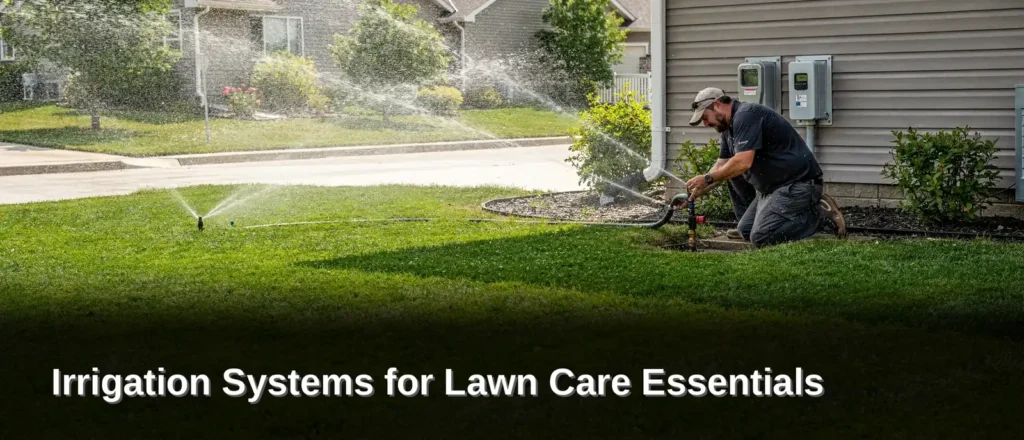
Water conservation for commercial landscapes combines three complementary strategies: smarter irrigation hardware and schedules, plant selections matched to local rainfall, and stormwater capture to recharge soils. Smart irrigation—sensors, intelligent controllers, and flow monitoring—cuts water use by adapting schedules to real-time soil moisture and weather, which lowers bills and reduces runoff. Choosing drought-tolerant or native species reduces peak-season demand and helps landscapes withstand hot, dry periods common in the Sioux Falls area. Rain gardens, bioswales, and cisterns capture stormwater for reuse or infiltration, easing pressure on municipal supplies and preventing erosion. Used together, these measures create reliable water budgets and clear, measurable reductions in consumption while supporting regulatory compliance.
| Measure | Function | Benefit |
|---|---|---|
| Smart irrigation systems | Automated scheduling, sensor-based control | 20–50% water reduction and lower runoff |
| Drought-tolerant/native plantings | Lower transpiration and adapted rooting | Reduced irrigation frequency and maintenance |
| Rain gardens / bioswales | Infiltrate and detain stormwater | Improves groundwater recharge and reduces runoff |
| Rainwater harvesting | Capture roof/runoff for reuse | Offsets municipal water during dry periods |
Why Use Organic Lawn Care and Soil Health Techniques?
Organic lawn care and soil-first methods make turf and planting beds tougher by feeding beneficial microbes, improving soil structure, and supporting natural nutrient cycling. Organic fertilizers and compost provide slow-release nutrition that reduces leaching, while mulch cuts evaporation and stabilizes soil temperature. Regular aeration and correct mowing heights preserve root depth and drought tolerance, lowering irrigation need and pest susceptibility. Paired with IPM, organic programs reduce synthetic pesticide use, creating safer conditions for people and pollinators. Healthier soil needs fewer inputs—an ongoing saving in materials and labor.
How Can Native Plants Support Sustainable Commercial Properties?
Native plants are adapted to local conditions, which means they usually need less water, fewer fertilizers, and fewer pest interventions than many exotic ornamentals. Their deeper root systems strengthen soil structure and improve infiltration, helping control erosion and manage stormwater. Native plantings provide nectar and host plants for pollinators and birds, boosting on-site biodiversity and offering seasonal interest that enhances property appeal year-round. For commercial sites, grouping natives by hydrologic zone and maintenance tolerance reduces labor and materials while keeping the landscape intentional and professional. Below we list native selections well suited to Sioux Falls and nearby areas.
Which Native Plants Thrive in Sioux Falls and Surrounding Areas?
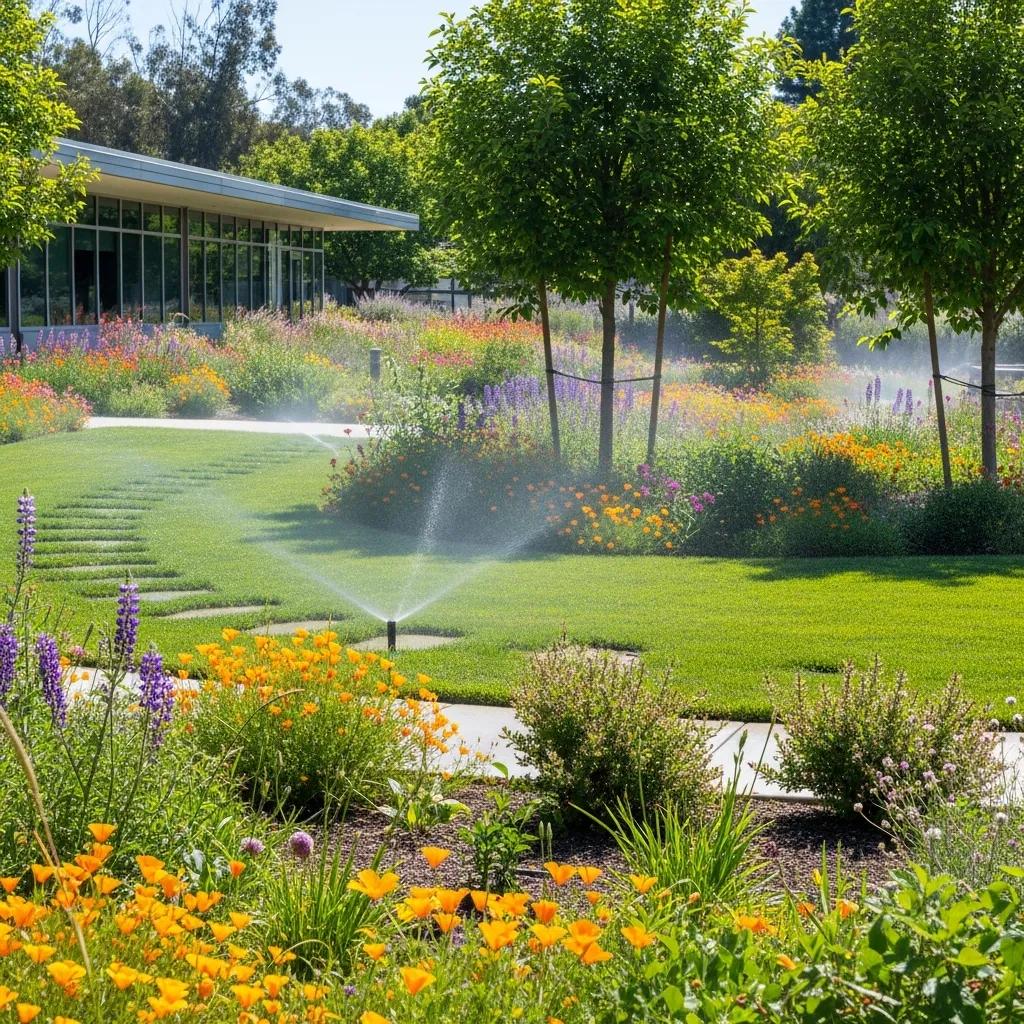
For Sioux Falls commercial sites, aim for a mix of grasses, shrubs, trees, and perennials that handle hot summers and cold winters with minimal care. Native grasses like little bluestem and switchgrass add texture, erosion control, and drought resilience for buffers and meadow-style areas. Shrubs such as chokecherry and caragana make dependable screening and parking-lot buffers with low irrigation needs. Perennials like coneflower, black-eyed Susan, and milkweed support pollinators and provide seasonal color without heavy inputs. Trees such as bur oak and eastern redbud deliver canopy, shade, and urban tolerance when sited properly. These selections balance appearance with performance to reduce upkeep and support habitat.
How Do Native Plants Enhance Biodiversity and Reduce Maintenance?
Native plants fit the local food web—providing food and shelter that many non-native species can’t—so they attract a wider range of insects and birds. This ecological match reduces pest pressure by supporting predators and pollinators that naturally keep herbivores in check. Maintenance needs fall because natives require fewer fertilizer applications, less pruning, and minimal irrigation once established, translating to lower labor hours and chemical costs. Over time native beds build layered structure and seasonal litter that further suppress weeds and reduce inputs. In short, native plantings boost biodiversity while lowering lifecycle maintenance.
What Are Sustainable Commercial Landscape Design Principles?
Sustainable commercial design organizes site elements to cut resource use and maximize ecosystem benefits. Key principles include zoning by water need, using permeable surfaces, adding vertical planting where ground is limited, and employing wildlife-friendly lighting. Put irrigation-intensive turf near service access, reserve larger buffers for low-input native zones, and pair permeable hardscapes with swales and bioretention to manage runoff on-site. Green roofs and living walls add planting without expanding the footprint. Energy-efficient, shielded lighting reduces light pollution and power use while maintaining safety. These choices lower long-term costs and create visible sustainability wins that support property branding.
- Permeable pavements and bioswales to infiltrate stormwater where it falls.
- Zone plant palettes by water and maintenance needs to cut inputs.
- Vertical elements (living walls) and green roofs to increase planting without using more land.
- Energy-efficient, wildlife-sensitive lighting to reduce energy use and glare.
These design elements create durable, lower-cost operations and lead naturally into technical options for permeable materials.
How Do Permeable Hardscapes Manage Stormwater Effectively?
Permeable hardscapes—porous pavers, open-jointed paving, and gravel grids—let rainwater pass through to aggregate and soil below, reducing surface runoff and encouraging groundwater recharge. They perform best with engineered bases and routine maintenance like vacuum sweeping to remove sediment that can clog pores. In commercial settings, load-rated permeable paving can be used in parking, sidewalks, and truck areas where needed, helping meet stormwater rules and lowering detention infrastructure costs. Pair permeable surfaces with vegetated swales or bioretention for treatment and cohesive aesthetics. Properly specified, permeable materials reduce peak flows and help manage spring snowmelt and seasonal runoff patterns common here.
What Are the Benefits of Green Roofs, Living Walls, and Energy-Efficient Lighting?
Green roofs and living walls add planted layers that insulate buildings, lower cooling demand, and expand on-site habitat without taking more land. Green roofs can reduce summer cooling loads and smooth temperature swings, while living walls create vertical habitat and attractive branding features. Energy-efficient LED fixtures and well-shielded luminaires cut electricity use and light spill, improving conditions for nocturnal wildlife and neighbors. Together, these elements reduce operational costs, deliver measurable energy savings, and enhance property character for tenants and customers.
What Are the Economic and Operational Benefits of Green Commercial Property Maintenance?
Green maintenance reduces recurring costs by cutting water use, lowering chemical purchases, and trimming labor tied to frequent mowing and pest treatments. Operationally, sustainable approaches simplify scheduling by creating predictable low-input zones and reduce supply-chain complexity with fewer fertilizer and pesticide orders. Those efficiencies improve ROI through lower operating expenses and can boost property value thanks to sustainability credentials. Below is a summary of common measures, their typical impacts, and expected payback timelines to help managers prioritize investments.
How Does Sustainable Landscaping Reduce Costs and Increase ROI?
Sustainable practices save across water, materials, and labor. Smart irrigation cuts water costs, drought-tolerant conversions lower seasonal irrigation, and soil-health programs reduce fertilizer purchases. The table below compares common measures and their typical impacts to help with planning.
| Practice | Typical Impact | Payback / ROI |
|---|---|---|
| Smart irrigation | 20–50% water savings | 1–4 years depending on size |
| Drought-tolerant plantings | 30–70% irrigation reduction | 2–6 years with lower maintenance |
| Soil health & organic programs | Reduced fertilizer & pesticide spend | 2–5 years via lower inputs |
| Permeable paving / stormwater features | Reduced detention costs and fees | Varies; often long-term regulatory savings |
For a mid-size office park in Sioux Falls, combining smart irrigation with phased native-bed conversions often produces first-year water and chemical savings, with maintenance hours declining over two to three seasons. Those operational gains make staged investments practical—Specialized Property Care, LLC can help with bundled implementation and transparent estimates so managers can evaluate ROI confidently.
What Local Case Studies Demonstrate Success in Sioux Falls?
Local projects show clear results when sustainable practices are applied: replacing turf strips with native buffers reduced irrigation and mowing, cutting labor and water costs. Another site that retrofitted controllers with weather-based scheduling significantly lowered seasonal water use while keeping curb appeal. Sharing local case studies with concrete metrics—gallons saved, labor hours reduced, maintenance cost declines—builds trust and makes it easier to replicate success across other properties. We recommend tracking baseline metrics so improvements can be measured and shared with stakeholders.
How Can Commercial Property Managers Implement Eco-Friendly Landscaping?
A practical roadmap moves managers from audit to full implementation while controlling risk and budget. Start with a comprehensive site audit to spot high-impact zones, then run prioritized pilots—smart controllers, small native conversions, or permeable paving test areas. Measure results with water meters, maintenance logs, and visual checks, and scale successful pilots in phases to manage cash flow and disruption. Working with a local installer for both setup and ongoing maintenance ensures systems like smart irrigation and native plantings are established and monitored correctly. The checklist below lays out stepwise actions to guide decisions and tracking.
What Are Actionable Steps to Transition to Sustainable Practices?
Start with a targeted audit that documents current water use, maintenance hours, and chemical inputs to establish a baseline. Run one or two pilot projects—such as adding smart irrigation to the highest-use zones or converting small turf areas to native beds—to validate assumptions and collect data. Use monitoring tools like soil moisture sensors and controller logs, and adjust maintenance based on plant performance. Scale effective pilots in phases, document savings, and revise maintenance contracts to reflect IPM and organic soil-health practices. These steps create controlled change with measurable outcomes and open paths for vendor support and estimates.
- Conduct a site audit and set measurable goals for water, labor, and chemical reductions.
- Launch pilot projects focused on high-impact areas for quick wins and data collection.
- Monitor results with sensors and logs, then scale successful strategies across the property.
Where Can Businesses Get Support and Free Estimates from Specialized Property Care?
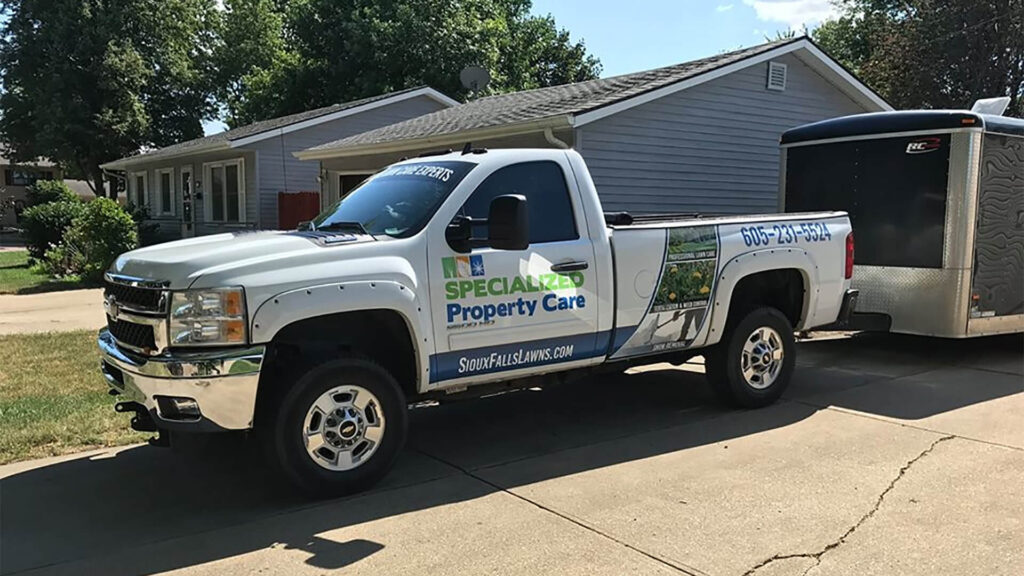
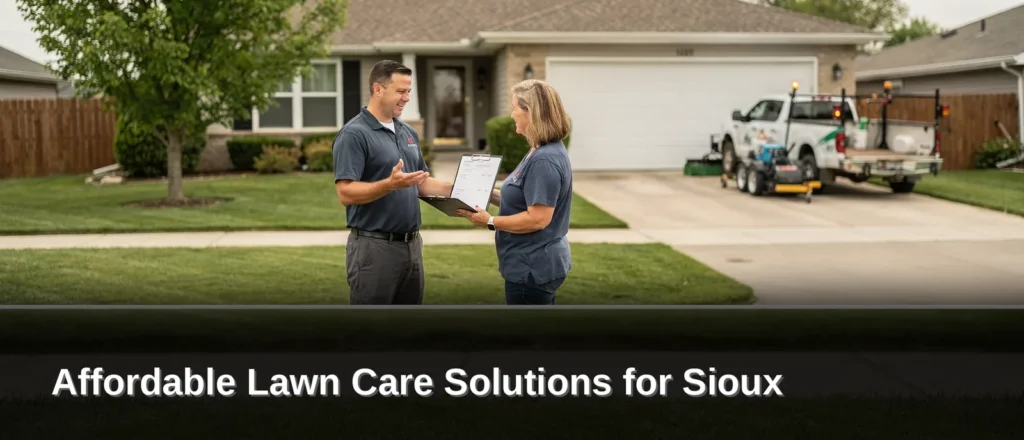
Specialized Property Care, LLC provides year-round outdoor property maintenance across Sioux Falls, Tea, Harrisburg, and Brandon, SD. We emphasize reliability, proactive communication, and eco-conscious products. If you’re exploring sustainable options, request a free, transparent estimate to review site conditions, prioritized measures, and phased implementation choices—some estimates are available online and we back our work with a satisfaction guarantee. During a consult expect an audit-style review of irrigation systems, plant palettes, and maintenance schedules, followed by a recommended scope that aligns with your budget and sustainability goals. Partnering with local pros for installation and ongoing care ensures systems are set up properly and performance is tracked over time.
- Prepare basic site information—size, existing irrigation, and pain points—for a focused estimate.
- Request a free estimate to receive a prioritized action plan and cost options for phased work.
- Review recommended bundles that combine installation and ongoing maintenance to protect ROI.
Specialized Property Care’s local expertise and commitment to eco-friendly lawn care—organic fertilizers and IPM among them—make us a practical partner for managers ready to introduce and scale sustainable landscaping on commercial properties.
Frequently Asked Questions
What are the initial steps for transitioning to eco-friendly landscaping?
Begin with a comprehensive site audit to document current water use, maintenance routines, and chemical inputs. That baseline helps pinpoint high-impact opportunities. Next, run pilot projects—install smart controllers on a high-use zone or convert a small turf area to native planting—and monitor results. Pilot data will guide scaling decisions and help you document savings and visual outcomes before wider rollout.
How can businesses measure the success of their sustainable landscaping efforts?
Track key metrics such as water consumption, maintenance hours, and chemical usage before and after changes. Use soil moisture sensors and irrigation controller logs for objective data, and keep maintenance logs to capture labor impacts. Also include periodic visual assessments of plant health and aesthetics so you can confirm the landscape meets both functional and appearance goals. Documented metrics make it easier to communicate wins to stakeholders.
What role do local climate conditions play in selecting landscaping practices?
Local climate drives plant selection and irrigation strategy. In the Sioux Falls area, choose drought-tolerant and regional natives that tolerate temperature swings and variable precipitation. Pair those plant choices with smart irrigation that adapts to local weather to optimize water use and improve landscape resilience.
How can businesses engage employees in sustainability initiatives?
Engage employees through education and hands-on activities—workshops, planting days, or volunteer maintenance events build connection and pride. Share measurable results and success stories to keep momentum and encourage ongoing participation. Small, visible projects often produce the most employee buy-in.
What are the long-term financial benefits of sustainable landscaping?
Long-term benefits include lower operating costs from reduced water use, fewer chemical purchases, and less labor for high-frequency tasks. Over time, these savings can deliver strong ROI, increase property appeal, and attract tenants who value sustainability—factors that can support higher property valuations.
How can businesses ensure ongoing maintenance of eco-friendly landscapes?
Set a clear maintenance plan that incorporates organic soil care and IPM, and provide regular training for onsite or contracted staff on sustainable techniques. Partnering with local landscaping professionals experienced in these practices ensures proper establishment and ongoing monitoring. Adjust schedules seasonally based on plant performance and monitoring data.
What resources are available for businesses looking to implement sustainable landscaping?
Resources include local environmental organizations, municipal and state conservation programs, online guides, and professional landscaping firms specializing in sustainable practices. Specialized Property Care can provide tailored advice, free estimates, and phased implementation plans to help businesses meet their sustainability goals without disrupting operations.
Conclusion
Putting eco-friendly landscaping into practice delivers clear benefits—reduced operating costs, stronger brand perception, and healthier spaces for employees and the community. By prioritizing practical solutions like smart irrigation and native plantings, businesses can create resilient, attractive grounds that support local ecosystems and save money over time. Taking the first step—an audit or a small pilot—makes the pathway to greener grounds manageable and measurable. Contact Specialized Property Care today to explore tailored, locally focused solutions for your commercial property.