
A vibrant, green lawn adds beauty and value to any property. However, keeping grass lush requires more than just watering and mowing. Fertilization is crucial for developing strong roots, promoting consistent growth, and maintaining long-term health. Following best fertilization practices for lawns ensures your grass receives the necessary nutrients without the risks of overfeeding or poor timing. With expert guidance from Specialized Property Care, homeowners can achieve a thriving lawn that stands out in every season.
Understanding Lawn Fertilization
Fertilization is a crucial step in maintaining a healthy lawn, as it provides essential nutrients that the soil alone may not supply. A properly nourished lawn is better equipped to withstand drought, pests, and weed invasion. The three key nutrients found in fertilizers include:
- Nitrogen (N): Promotes rich, leafy green growth
- Phosphorus (P): Encourages strong root development
- Potassium (K): Enhances durability and disease resistance
Different grasses require different care. Cool-season varieties, such as fescue and bluegrass, respond best to fall applications, while warm-season grasses, like Bermuda and zoysia, benefit most from late spring and summer feedings. By following the best fertilization practices for lawns, homeowners can ensure their grass remains vibrant and resilient throughout the year.
Soil Testing Before Fertilizing
Soil testing is a crucial step before fertilizing, as it reveals nutrient levels and soil pH, ensuring your lawn receives exactly what it needs to thrive. Without testing, you risk applying unnecessary nutrients or missing important deficiencies that affect grass health. Home kits provide a quick overview, but professional soil testing delivers more accurate results for better decisions. Depending on the outcome, acidic soil may require lime, and alkaline soil may need sulfur to improve the balance. By incorporating soil testing into your best fertilization practices for lawns, you prevent waste, save money, and establish the ideal foundation for healthy, vibrant grass.
Choosing the Right Fertilizer
Not all fertilizers are the same, and selecting the right one is key to lawn success. To follow the best fertilization practices for lawns, consider these important options:
- Organic vs. Synthetic: Organic options, such as compost and natural blends, improve soil health in the long term, while synthetic fertilizers provide faster results.
- Slow-Release vs. Quick-Release: Slow-release fertilizers feed grass gradually, reducing the risk of burning. Quick-release options deliver immediate growth but require more frequent applications.
- Balanced formulas: Fertilizers with a balanced NPK ratio often work best for overall lawn health.
Specialized Property Care recommends matching fertilizer to your soil test results, grass type, and seasonal needs for maximum impact.
Timing and Frequency of Fertilization
When it comes to lawn care, timing and frequency of fertilization play a critical role in achieving long-lasting results. Applying nutrients at the wrong time can weaken grass or increase the risk of disease. In spring, fertilizer jumpstarts growth and encourages a healthy green color, while in summer, careful application helps grass withstand heat and drought stress. Fall is the most important season for cool-season grasses, as feeding strengthens root systems before winter. Most lawns benefit from three to four applications each year, evenly spaced throughout the seasons. Following the best fertilization practices for lawns ensures steady growth, resilience, and year-round protection.
Proper Application Techniques
Applying fertilizer correctly prevents waste and keeps your lawn healthy. To achieve the best results and protect your grass, keep these key application techniques in mind:
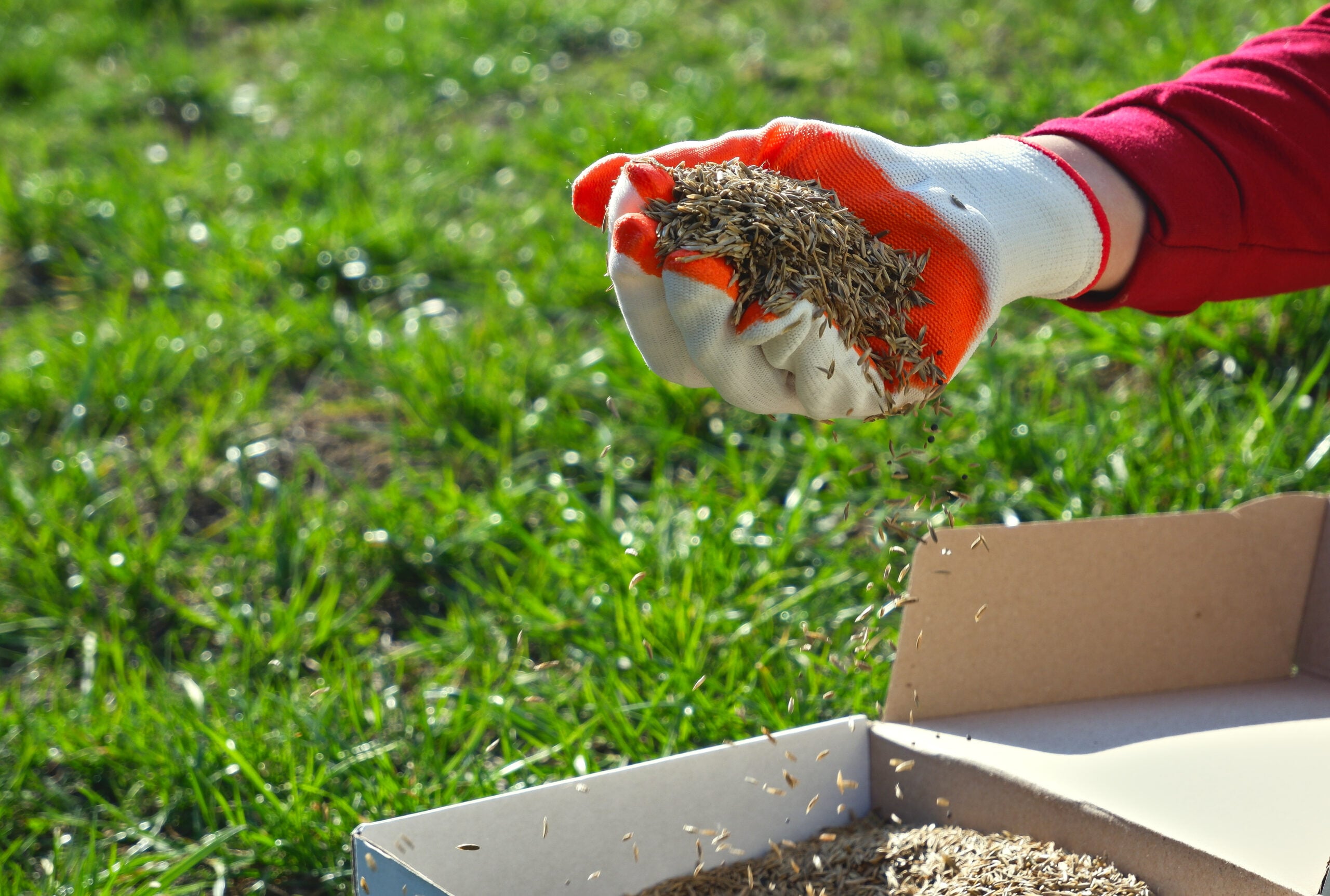
- Spreading tools: A broadcast or rotary spreader works well for larger yards, while drop spreaders are ideal for smaller spaces. Handheld spreaders help in tight corners.
- Even coverage: Overlapping slightly during spreading ensures no patches are missed.
- Watering: Light watering after application helps nutrients penetrate the soil and reduces the risk of burning.
Consistency and care during application make the difference between a patchy lawn and one that looks uniformly lush.
Common Mistakes to Avoid
Many homeowners unknowingly harm their lawns by making simple mistakes in fertilization. To keep your grass healthy and avoid unnecessary damage, watch out for these common mistakes:
- Over-fertilizing, which can burn grass and cause excessive growth
- Skipping soil testing and guessing nutrient needs
- Fertilizing before heavy rainfall, which washes nutrients away
- Using the wrong fertilizer for the grass type or season
Avoiding these pitfalls keeps your lawn healthy and prevents wasted effort and expense.
Eco-Friendly Fertilization Practices
Eco-friendly lawn fertilization emphasizes methods that safeguard the environment while fostering long-term soil health. Using natural fertilizers, such as compost, manure, or organic blends, improves soil structure while nourishing the grass. Homeowners should also practice runoff prevention by avoiding fertilizer applications near storm drains, on steep slopes, or during periods of heavy rain. In addition, integrating proper mowing, aeration, and watering reduces the need for excessive chemical use. Specialized Property Care supports these sustainable approaches, helping homeowners follow best practices for lawn fertilization while ensuring greener yards, healthier soil, and cleaner waterways for the surrounding community.
Complementary Lawn Care for Fertilization Success
Fertilization is most effective when combined with complementary lawn care practices that strengthen overall grass health. Aeration helps loosen compacted soil, allowing fertilizer and water to reach the roots more easily. Overseeding is another valuable step, as it fills in bare or thin areas and creates a denser lawn that naturally resists weeds and diseases.
Mowing and watering habits also play a vital role in supporting fertilization. Keeping mower blades sharp and maintaining the correct grass height encourages steady, healthy growth. Deep, infrequent watering develops stronger root systems compared to light daily watering. By following these methods along with the best fertilization practices for lawns, homeowners can achieve greener, thicker, and more resilient grass year-round.
FAQs About Lawn Fertilization
Homeowners often have questions about fertilization timing, product choices, and best practices. To help you make informed decisions for a healthier, greener lawn, here are some of the most common FAQs:
Q: How often should I fertilize my lawn?
A: Most lawns benefit from fertilization 3–4 times per year, depending on the grass type and local climate.
Q: Is organic fertilizer as effective as synthetic?
A: Yes. Organic fertilizers build long-term soil health, while synthetic fertilizers provide quick results. Many homeowners combine both approaches.
Q: Can over-fertilization damage my lawn?
A: Absolutely. Excessive fertilizer can burn grass, cause uneven growth, and even harm soil health.
Q: Do I need to water after fertilizing?
A: Light watering helps nutrients absorb into the soil and reduces the chance of fertilizer burn.
Q: When is the best time to fertilize in my region?
A: This depends on the grass type. Cool-season grasses do best in spring and fall, while warm-season grasses thrive with late spring and summer feedings.
Achieve a Lush Lawn with the Best Fertilization Practices
A thriving lawn needs more than mowing and watering. By following the best fertilization practices for lawns, homeowners ensure grass receives the right nutrients at the right time. Soil testing, choosing the proper fertilizer, and applying it carefully are all essential steps. Eco-friendly methods also help protect the environment while maintaining healthy, strong, and vibrant lawns.
Specialized Property Care simplifies the process with customized fertilization services designed to match your lawn’s unique needs. With expert support, your grass can grow greener, healthier, and more resilient throughout the year. Contact Specialized Property Care today to schedule a professional consultation and enjoy the benefits of a lush, well-nourished lawn.