


Best Practices for Achieving Thriving Turf Health: Expert Turf Maintenance Tips and Lawn Care Strategies
Maintaining a lush, green lawn requires a clear understanding of “turf health” and proven care practices. This article summarises essential turf maintenance and lawn care strategies designed to help you maintain optimal turf vitality. Homeowners commonly encounter challenges related to soil condition, irrigation, and pest pressure; applying the appropriate techniques will keep your lawn healthy and vibrant throughout the year. The guidance below includes expert maintenance tips, practical lawn care strategies, sustainable practices, and fertilisation recommendations specific to the Sioux Falls climate.
Expert Turf Maintenance Tips
Achieving robust turf requires maintenance that prioritises soil condition, correct mowing, and efficient irrigation.
- Soil Health Importance : Healthy soil is the foundation of a thriving lawn. Regular soil testing can help determine nutrient levels and pH balance, allowing for appropriate amendments.
- Proper Mowing Techniques : Mowing at the correct height and frequency promotes healthy grass growth. Aim to cut no more than one-third of the grass height at a time to avoid stressing the plants.
- Effective Irrigation Practices : Watering deeply and infrequently encourages deep root growth. Aim for about 1 to 1.5 inches of water per week, adjusting for rainfall.
Specialized Property Care, LLC provides professional turf maintenance services tailored to your lawn’s specific needs.
Effective Lawn Care Strategies
Implementing effective “lawn care strategies” such as aeration, overseeding and seasonal adjustments is essential to maintain a healthy and attractive lawn.
- Aeration and Overseeding Benefits : Aeration relieves soil compaction and allows air, water, and nutrients to penetrate the soil. Overseeding helps fill in bare spots and improves turf density.
- Weed and Pest Control Methods : Regular monitoring and timely intervention can prevent weeds and pests from taking over your lawn. Use pre-emergent herbicides in early spring to control weed growth.
- Seasonal Adjustments for Lawn Care : Adjust your lawn care practices based on the season. For instance, fertilization in spring and fall can promote healthy growth during peak seasons.
Professional lawn care can deliver tailored programs that help keep your lawn healthy and vibrant throughout the year.
Essential Practices for Optimal Turf Vitality
Maintain turf vitality by adopting sustainable practices, recognising the benefits of professional care, and prioritising consistent maintenance.
- Sustainable Practices : Implementing eco-friendly practices, such as using organic fertilizers and reducing chemical inputs, can enhance soil health and promote a thriving lawn.
- Professional Lawn Care Benefits : Engaging with professionals can provide expertise in turf management, ensuring that your lawn receives the best care possible.
- Regular Maintenance Importance : Consistent maintenance, including mowing, watering, and fertilization, is key to achieving a lush, green lawn.
How Does Proper Fertilization Enhance Turf Health?
Proper fertilisation supplies the essential nutrients—nitrogen, phosphorus and potassium—that support growth and resilience. Selecting the right product, applying it evenly, and timing applications appropriately significantly influence results.
- Types of Fertilizers : Organic fertilizers release nutrients slowly, improving soil health over time, while synthetic fertilizers provide immediate nutrient availability.
- Application Techniques : Even distribution of fertilizer is crucial to avoid burning the grass. Using a spreader can help achieve uniform coverage.
- Timing for Fertilization : Fertilizing during the growing season, particularly in spring and fall, maximizes nutrient uptake and promotes vigorous growth.
What Is the Ideal Lawn Fertilization Schedule for Sioux Falls?
In Sioux Falls, schedule fertilisation to align with the local climate and your grass species’ growth cycle.
- Timing for Fertilization : Fertilize in early spring as the grass begins to grow and again in late summer to prepare for winter.
- Frequency of Applications : Generally, two to three applications per year are sufficient for maintaining healthy turf.
- Types of Fertilizers Suitable : Use a balanced fertilizer with a ratio of nitrogen, phosphorus, and potassium suitable for your grass type.
Which Fertilization Techniques Improve Soil Nutrient Management?
Effective soil nutrient management depends on testing, appropriate product selection, and application methods that enhance availability.
- Soil Testing Importance : Regular soil tests help determine nutrient deficiencies and pH levels, guiding appropriate fertilizer choices.
- Choosing the Right Fertilizer : Select fertilizers based on soil test results to ensure that the specific nutrient needs of your lawn are met.
- Application Techniques : Techniques such as topdressing can enhance nutrient availability and improve soil structure.
Why Is Soil Aeration Essential for Healthy Turf?
Soil aeration improves soil structure and encourages deeper root development, both of which are essential for healthy turf.
- Enhanced Soil Health : Aeration reduces soil compaction, allowing for better water infiltration and root expansion.
- Reduced Compaction : Compacted soil restricts root growth and nutrient uptake, making aeration essential for turf vitality.
- Thicker Grass Growth : Aerated lawns typically exhibit denser grass growth, leading to a more resilient and attractive lawn.
How Does Aeration Improve Soil Structure and Root Growth?
Aeration creates channels for air, water and nutrients to reach roots, which supports respiration, deeper root growth and improved nutrient absorption.
- Increased Oxygen Levels : Aeration enhances oxygen availability in the soil, which is crucial for root respiration and overall plant health.
- Deeper Root Growth : With improved soil conditions, roots can grow deeper, accessing more nutrients and water.
- Improved Nutrient Absorption : Healthy roots are better equipped to absorb nutrients, leading to a more robust lawn.
When Is the Best Time to Aerate Turf in South Dakota?
Aerate during the active growing season so the turf can recover quickly.
- Best Seasons for Aeration : Early spring and early fall are ideal times for aeration, as the grass is actively growing.
- Frequency Recommendations : Aerate your lawn at least once a year, or more frequently for high-traffic areas.
- Techniques for Aeration : Use core aerators to remove plugs of soil, allowing for optimal air and nutrient exchange.
What Are the Best Irrigation Practices for Thriving Lawns?
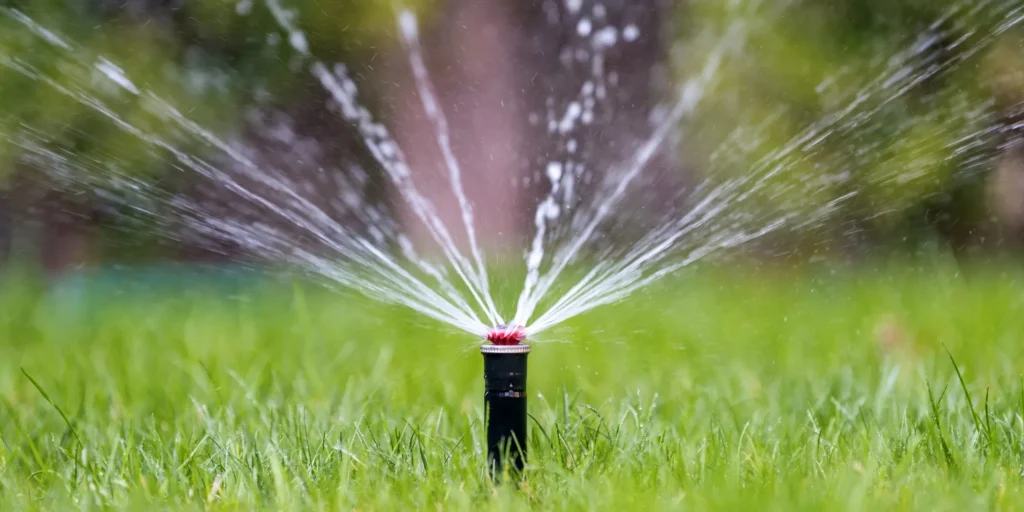
Proper irrigation is critical to maintain turf health and resilience.
- Deep, Infrequent Watering : Watering deeply encourages deep root growth, making the grass more drought-resistant.
- Timing of Watering : Watering early in the morning reduces evaporation and fungal diseases.
- Smart Irrigation Systems : Consider using smart irrigation systems that adjust watering schedules based on weather conditions.
How to Manage Irrigation Efficiently for Optimal Turf Moisture?
Efficient irrigation maintains appropriate moisture by using correct volumes, keeping systems maintained, and adjusting schedules with the seasons.
- Watering Amount Recommendations : Aim for 1 to 1.5 inches of water per week, including rainfall.
- Regular System Maintenance : Regularly check and maintain irrigation systems to ensure they are functioning properly.
- Seasonal Adjustments : Adjust watering schedules based on seasonal weather patterns to avoid overwatering or underwatering.
Which Irrigation Methods Conserve Water and Support Turf Health?
Selecting efficient irrigation methods conserves water while supporting turf performance.
- Drip Irrigation Benefits : Drip irrigation delivers water directly to the root zone, minimizing waste and promoting efficient water use.
- Rainwater Harvesting : Collecting rainwater for irrigation can reduce reliance on municipal water sources and lower costs.
- Winterization Techniques : Properly winterizing irrigation systems prevents damage and ensures efficient operation in the spring.
How Can Weed and Pest Control Protect Turf Health?
Effective weed and pest control protects turf health and maintains a well-kept appearance.
- Effective Methods for Control : Integrated pest management (IPM) combines cultural, biological, and chemical methods for effective control.
- Optimal Timing for Applications : Timing applications based on pest life cycles can enhance effectiveness and reduce chemical use.
- Overall Impact on Lawn Care : Healthy turf is more resilient to pests and weeds, making prevention a key strategy.
What Are Effective Weed Control Methods for Turf?
Effective weed control relies on strong soil health, timely pre-emergent measures, and selective use of natural or chemical options as appropriate.
- Soil Health Assessment : Healthy soil supports strong grass growth, which can outcompete weeds.
- Pre-emergent Weed Control : Applying pre-emergent herbicides in early spring can prevent weed seeds from germinating.
- Natural Weed Control Options : Consider using organic herbicides or manual removal for environmentally friendly options.
How to Prevent and Manage Common Lawn Diseases and Pests?
Prevent disease and pest issues through consistent maintenance, sound soil management, and appropriate watering practices.
- Regular Maintenance Practices : Consistent mowing, watering, and fertilization can help prevent disease outbreaks.
- Soil Health Importance : Healthy soil supports strong grass, making it less susceptible to diseases.
- Watering Practices : Avoid overwatering, which can create conditions conducive to disease development.
What Seasonal Lawn Care Practices Support Year-Round Turf Health?
Follow season-specific practices to support turf health throughout the year.
- Spring Renewal Techniques : In spring, focus on aeration, overseeding, and fertilization to promote growth.
- Summer Protection Strategies : During summer, adjust watering schedules and monitor for pests and diseases.
- Fall Preparation Practices : In fall, prepare your lawn for winter by fertilizing and cleaning up debris.
How to Adapt Turf Maintenance to Sioux Falls Climate Conditions?
Adapt maintenance to the Sioux Falls climate by selecting appropriate grass types, adjusting water and nutrient programs, and modifying practices as temperatures change.
- Recommended Grass Types : Choose grass varieties that thrive in the local climate, such as Kentucky bluegrass or fescue.
- Care Techniques for Local Conditions : Adjust watering and fertilization based on seasonal weather patterns.
- Seasonal Adjustments : Be prepared to modify maintenance practices as temperatures fluctuate throughout the year.
What Is the Seasonal Lawn Care Calendar for Optimal Turf Growth?
Use a seasonal lawn care calendar to schedule essential tasks and optimise turf performance.
- Spring Tasks : Focus on aeration, overseeding, and fertilization.
- Summer Tasks : Monitor for pests, adjust watering schedules, and maintain mowing heights.
- Fall Tasks : Fertilize, clean up leaves, and prepare for winter dormancy.
Frequently Asked Questions
What are the signs of unhealthy turf?
Unhealthy turf shows discoloration, thinning and patchy areas. Increased weed growth often indicates weakened grass. A spongy feel or a sour smell can point to thatch or poor soil conditions. Regular inspection and soil testing identify issues early so you can apply corrective measures promptly.
How can I improve my lawn’s drainage?
Improve drainage by aerating to relieve compaction and incorporating organic matter such as compost to enhance soil structure. If problems persist, consider installing a French drain or regrading to direct water away from affected areas.
What role does pH play in turf health?
Soil pH affects nutrient availability. Most turf grasses prefer a pH between 6.0 and 7.0. Soil that is too acidic or too alkaline can lock out nutrients. Regular soil testing will determine pH and guide amendments such as lime or sulfur to restore balance.
How often should I test my soil?
Test soil at least once every two to three years to monitor nutrient levels and pH. Test more frequently if you observe changes in turf performance. Soil analysis provides actionable information for fertilisation and amendment decisions.
What are the benefits of using organic fertilizers?
Organic fertilizers release nutrients gradually, improve soil structure and support microbial activity. They reduce the risk of nutrient runoff and contribute to long-term soil health, producing stronger grass that withstands drought, pests and disease more effectively.
How can I tell if my lawn needs more water?
Signs of inadequate moisture include a dull, grayish-green colour, footprints that remain visible after walking, and a dry, crunchy texture underfoot. Curled or folded grass blades also indicate moisture stress. Check soil moisture by digging a small hole; if the top inch is dry, water is needed.
What is the best way to handle lawn pests naturally?
Manage pests naturally by promoting a healthy lawn through correct watering, mowing and fertilisation. Encourage beneficial insects such as ladybirds and lacewings, and consider natural repellents like neem oil or insecticidal soap. Regular monitoring and early intervention reduce the need for chemical controls.
Conclusion
Achieving healthy, resilient turf is attainable by following the maintenance practices and strategies outlined here. Prioritise soil health, proper irrigation and seasonal adjustments to maintain a vibrant lawn year-round. For tailored solutions and professional assistance, consider contacting Specialized Property Care, LLC and consult the resources provided to improve your lawn care programme.